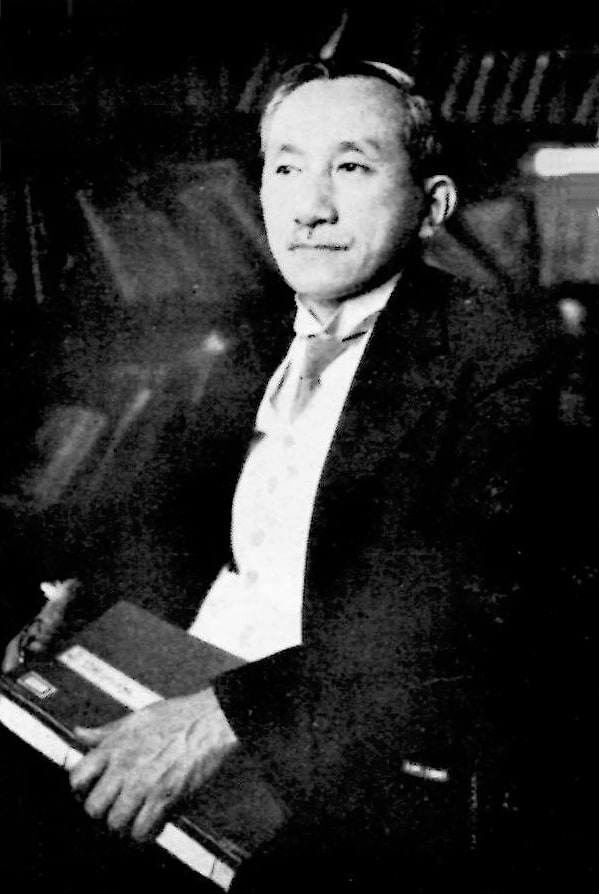
Shinmura Izuru
Why couldn't people once say "totemo omoshiroi"? Baka, kiseru, right and left — a linguist who traced the origins of everyday words by documentary evidence and sometimes withdrew his own theory. Reading Nihon no Kotoba (1940).
Reading Shinmura Izuru — The Man Who Chased a Word's History by Evidence
Why couldn't people once say "totemo omoshiroi" ("very interesting")? Baka, kiseru, right and left — Shinmura Izuru (1876–1967) traced the origins of everyday words through documentary evidence, and sometimes withdrew his own theory himself. Reading Nihon no Kotoba (1940).
Why Couldn't People Once Say "Totemo Omoshiroi"? — The History of "Totemo"
"Totemo omoshiroi" ("very interesting"), "totemo oishii" ("very tasty") — natural today, but Shinmura Izuru in 1940 observed this usage as a new fad. The original "totemo" combined only with negation, as in "totemo dekinai." Following the reason back through its etymology.
Where Did "Right" and "Left" Come From? — Lining Up the Theories of Migi and Hidari
Is hidari from "hi-tari" (sun-sufficient) or "hi-tari" (sun-hanging)? Does migi come from "bending," or from "gripping"? Even the most familiar words, right and left, carry unsettled etymological debates. Shinmura Izuru lines up the theories and adds his own.
Where Does "Kiseru" Come From? — Until Shinmura Izuru Withdrew His First Theory
Why is a tobacco pipe called a "kiseru"? Shinmura Izuru first thought of the name of a small Turkish town. But on one person's pointer, he withdrew his theory without fuss. Along the way, a mistake in Otsuki Fumihiko's Genkai comes into view too.
Close Reading — "Totemo Tsukaie-nai" — Checking "Totemo" in the Original
"Our linguistic organism has become fixed." Shinmura Izuru in 1940 writes, frankly, that he cannot say "totemo omoshiroi" himself. Then he checks the etymology of "totemo" back through medieval Noh plays. Reading the chapters "Yama-kotoba" and "Totemo hokō" of Nihon no Kotoba in the original.
Close Reading — "A Sinologist's Story-Fitting, Not Worth Taking Up" — Checking the Folk Theories of "Baka" One by One
The famous story that "baka" (馬鹿) comes from Zhao Gao insisting a deer was a horse — Shinmura Izuru dismisses it as "not worth taking up." So what is the real etymology? He follows the Sanskrit theories and ends by writing "I cannot decide." Reading "Baka-kō" in Nihon no Kotoba in the original.
Legacy and Verdict — The Answers Move, but Shinmura Izuru's Way of Checking Remains
Kiseru is Cambodian. The Zhao Gao story of baka is a folk etymology. Right and left remain unsettled, and for totemo the observation outshines the etymology. The answers Shinmura Izuru gave for four words have met different fates. But his way of checking — lay out the evidence, mark how far to assert, correct yourself when wrong — still works.